When English‑speaking learners rush to download Spanish lessons, they often encounter the same stumbling blocks that trip up beginners in any language. By examining the most frequent missteps and pairing them with concrete, research‑backed alternatives, learners can turn a simple “descargar” routine into a sustainable study plan.
Understanding the Appeal of Descargar
Downloading audio files, flashcards, or e‑books promises instant access to native‑speaking material. The convenience mirrors a child’s first encounter with a picture book: the excitement is real, but without a framework the information remains fleeting. The allure is especially strong for busy professionals who believe a few minutes of streamed content can replace a structured course.
Pitfall #1 – Assuming a Download Equals Mastery
Many learners treat the act of downloading as the primary learning step. This mirrors the misconception that possessing a worksheet guarantees comprehension. In reality, the material often lacks progressive difficulty, leading to plateaus after the initial novelty wears off.
- Actionable swap: Pair each downloaded resource with a short, measurable objective—e.g., “listen to a 2‑minute podcast, then write three sentences using two new verbs.”
- Why it works: Setting a concrete output forces the brain to rehearse, turning passive exposure into active recall.
Pitfall #2 – Skipping Structured Practice
Skipping worksheets or quizzes in favor of raw audio can leave gaps in grammar and vocabulary retention. The habit is akin to a first‑grader bypassing reading comprehension exercises, which are essential for building foundational literacy.
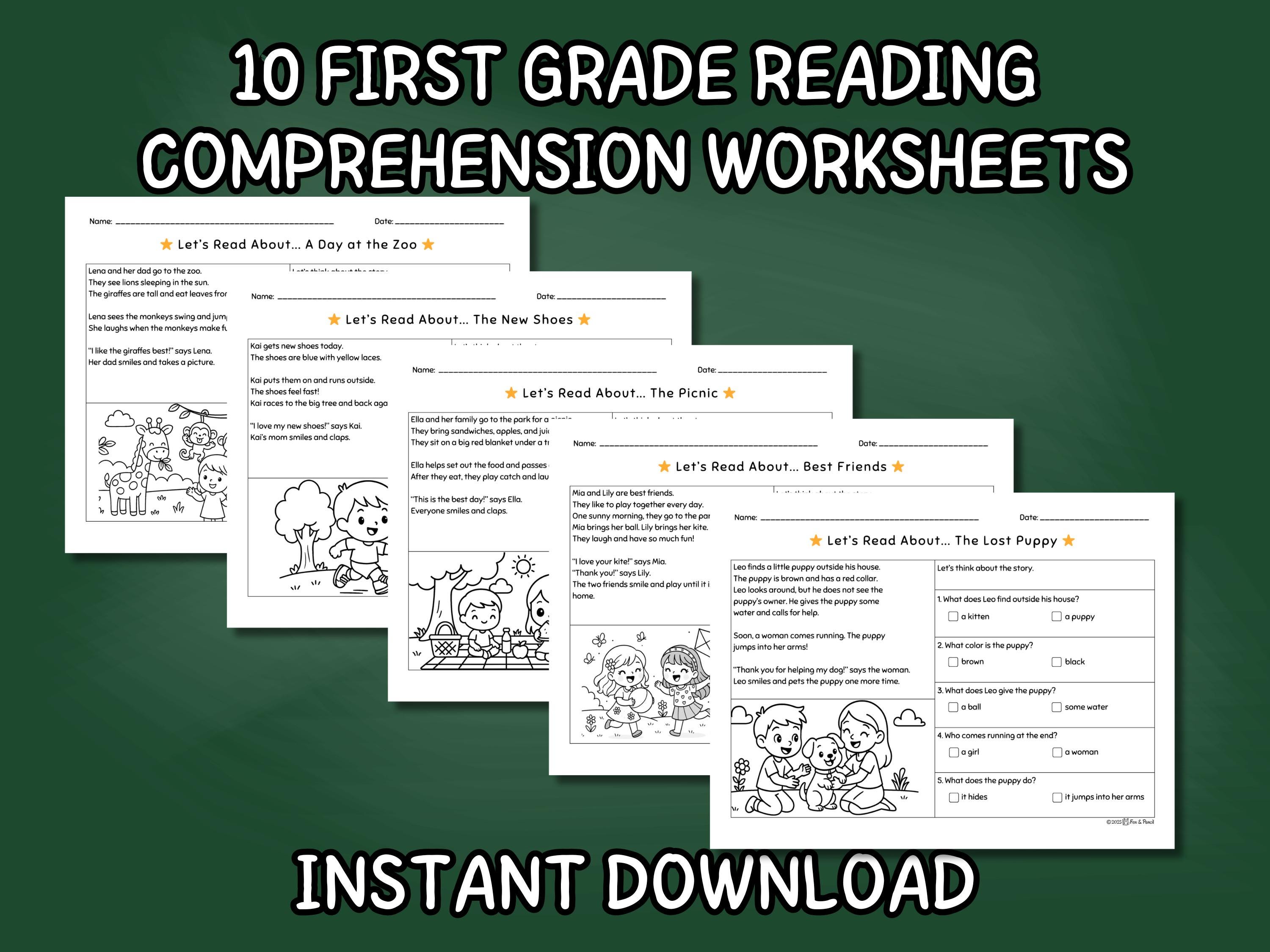
Embedding simple, graded worksheets—whether downloaded PDFs or printable handouts—creates a feedback loop. Learners can compare their answers, notice patterns of error, and adjust their study focus accordingly.
- Actionable swap: Schedule a 15‑minute “quiz break” after each listening session using a free worksheet that targets the day’s vocabulary.
- Why it works: Immediate testing cements memory pathways and highlights weak spots before they become entrenched.
Pitfall #3 – Ignoring Pronunciation Feedback
Downloading audio without a mechanism for self‑assessment often leads to fossilized mispronunciations. Unlike a printed worksheet, audio lacks a built‑in correction tool, leaving learners to rely on guesswork.
- Record yourself repeating a phrase from the downloaded track.
- Play back the original and your version side‑by‑side.
- Mark differences in stress, vowel length, and intonation.
Tools such as free voice‑analysis apps turn this simple routine into a mini‑pronunciation lab, giving instant, objective feedback.
From Mistake to Method – A Side‑by‑Side Comparison
Consider two study scenarios over a week:
| Scenario A – Pure Download | Scenario B – Structured Integration |
|---|---|
| Day 1: Download a podcast, listen once, move on. | Day 1: Download the same podcast, listen, then complete a 5‑question comprehension worksheet. |
| Day 3: Feel “stuck” with ten new words, no recall. | Day 3: Recall eight words, use three in a short paragraph. |
| Day 5: No measurable progress, motivation dips. | Day 5: Noticeable improvement in listening speed, confidence rises. |
Scenario B demonstrates how pairing downloads with targeted, low‑friction activities resolves the three pitfalls outlined above.
Practical Takeaways for the Detail‑Oriented Researcher
- Treat every downloaded file as a “raw data set” that must be processed, not an end product.
- Incorporate brief, graded worksheets (even 1st‑grade‑style) to test comprehension immediately after exposure.
- Use free recording tools to create a personal pronunciation audit trail.
- Log your outcomes in a simple spreadsheet: date, resource, objective, and result. Patterns will emerge, guiding future downloads.
Implications for Long‑Term Language Acquisition
By converting the convenience of descargar into a disciplined workflow, learners position themselves to achieve higher fluency faster and with fewer frustrations. The methodology aligns with cognitive research that highlights spaced repetition, active recall, and multimodal feedback as the pillars of durable language mastery.
1st Grade Reading Comprehension Worksheets Printable PDF | Worksheet Hero

1st Grade Reading Comprehension Worksheets Printable PDF | Worksheet Hero
Boosting Reading Skills With Worksheets For 1st Grade — Reading Worksheets
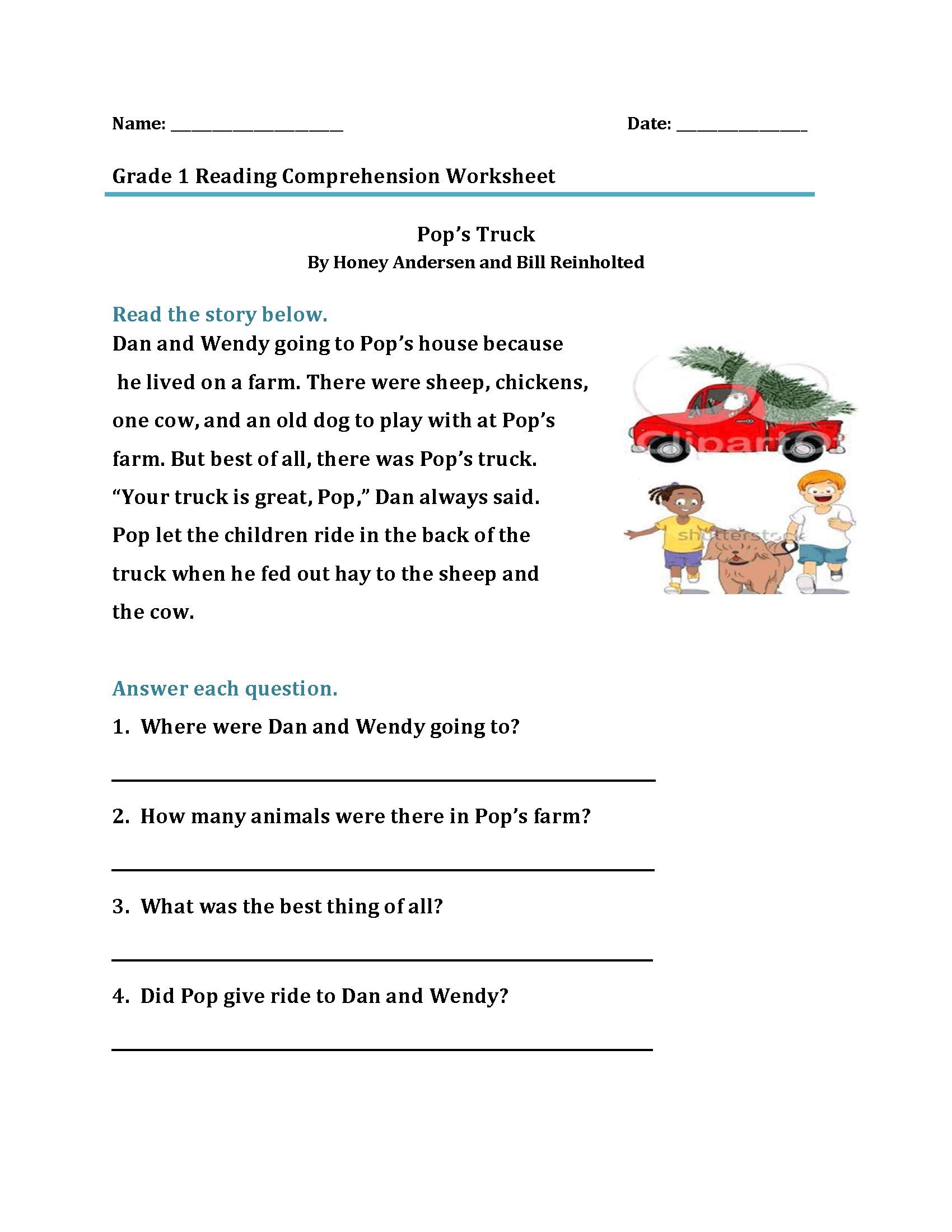
Boosting Reading Skills with Worksheets for 1st Grade — Reading Worksheets
1st Grade Reading Comprehension Worksheets | PDF

1st Grade Reading Comprehension Worksheets | PDF
12 Reading Worksheets For 1st Graders - Free PDF At Worksheeto.com
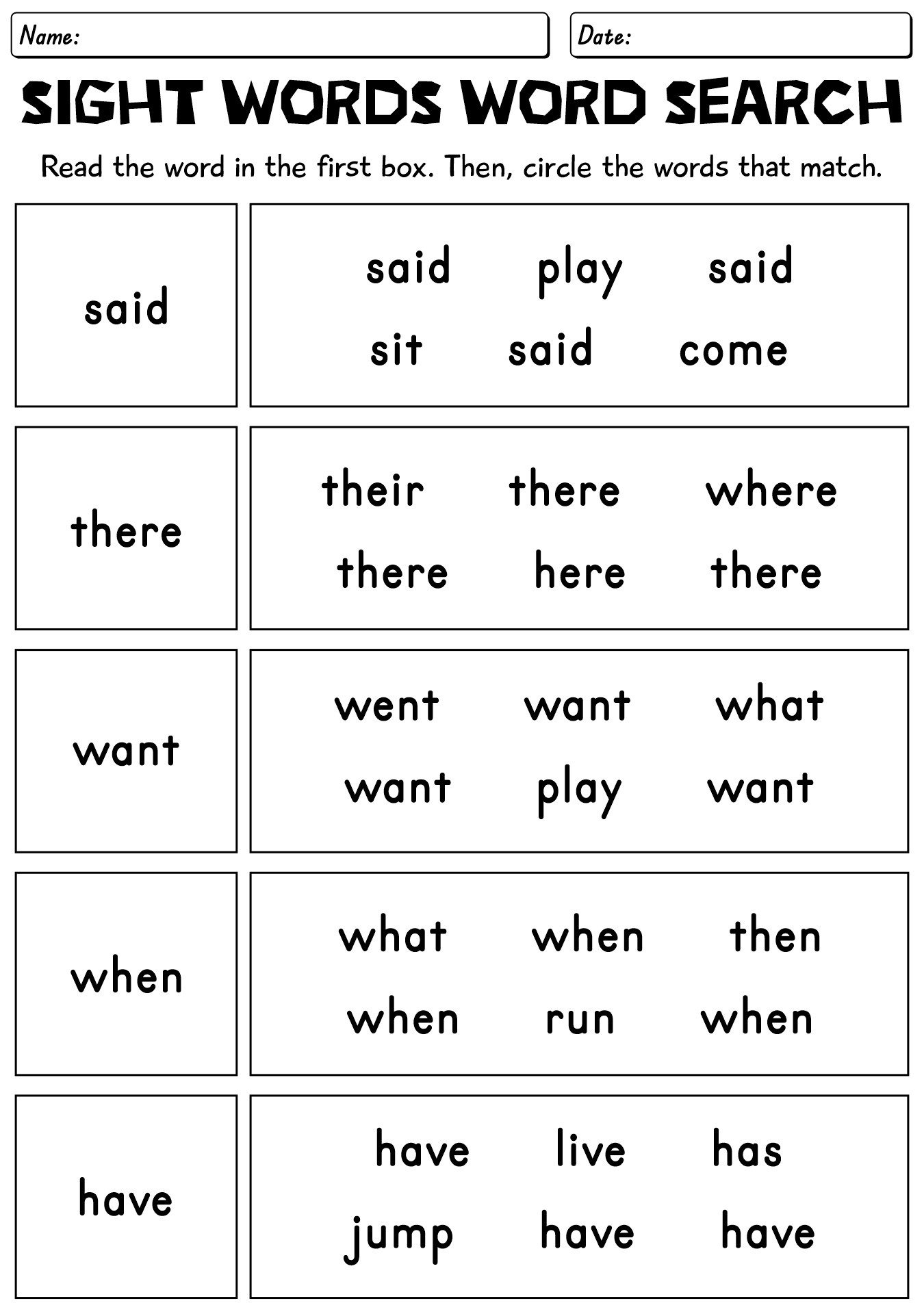
12 Reading Worksheets For 1st Graders - Free PDF at worksheeto.com
