The Ceres dwarf planet sits quietly in the middle of the asteroid belt, yet it holds the key to understanding the early solar system. Recent studies have highlighted its water‑rich composition, hinting at a once habitable environment and a potential source of organic matter. For anyone eager to learn about this icy world, the “Ceres USD Calendar Guide for Beginners” offers a clear, step‑by‑step overview of its discovery, characteristics, and significance.
What is Ceres, and why does it matter?
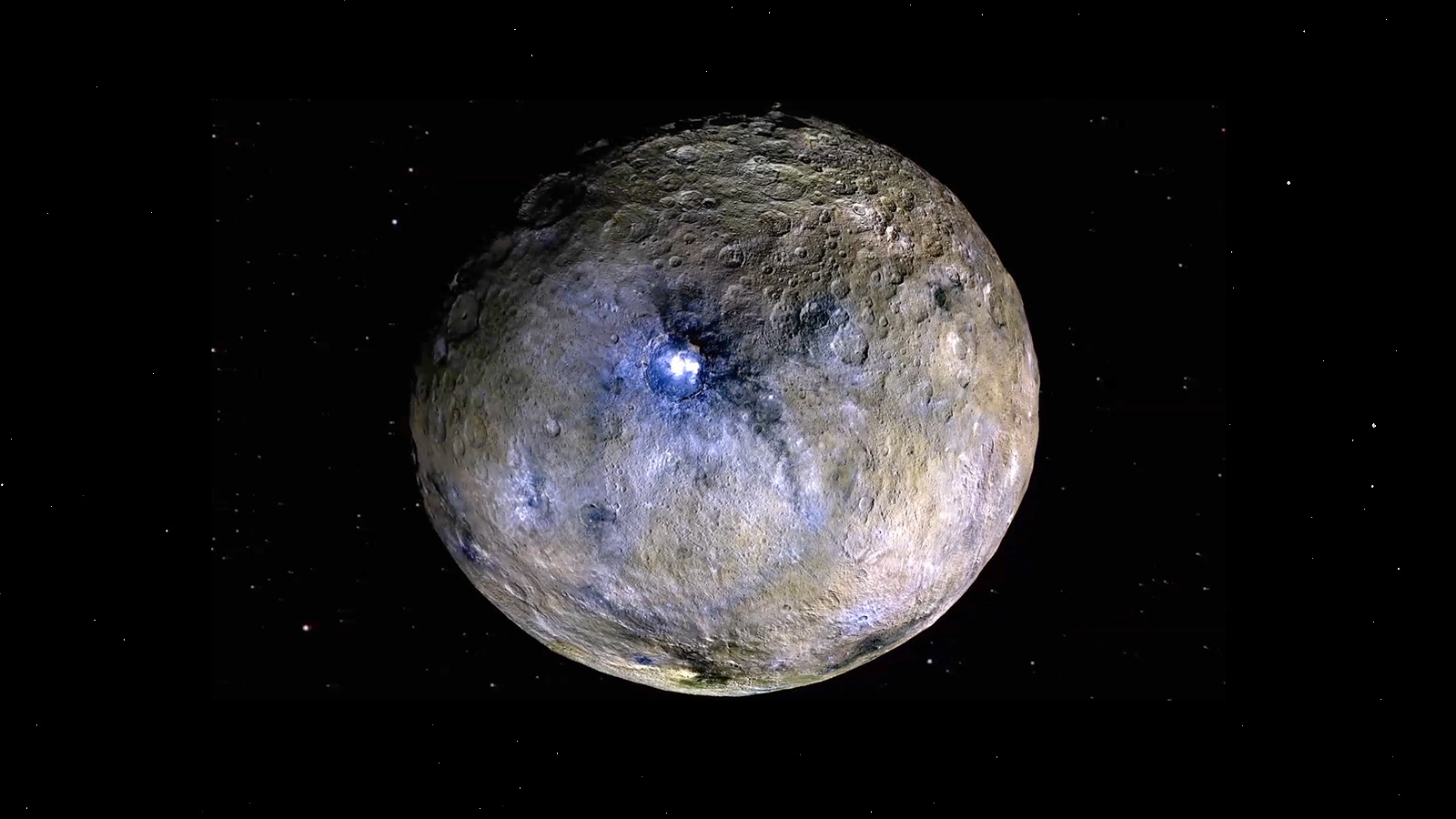
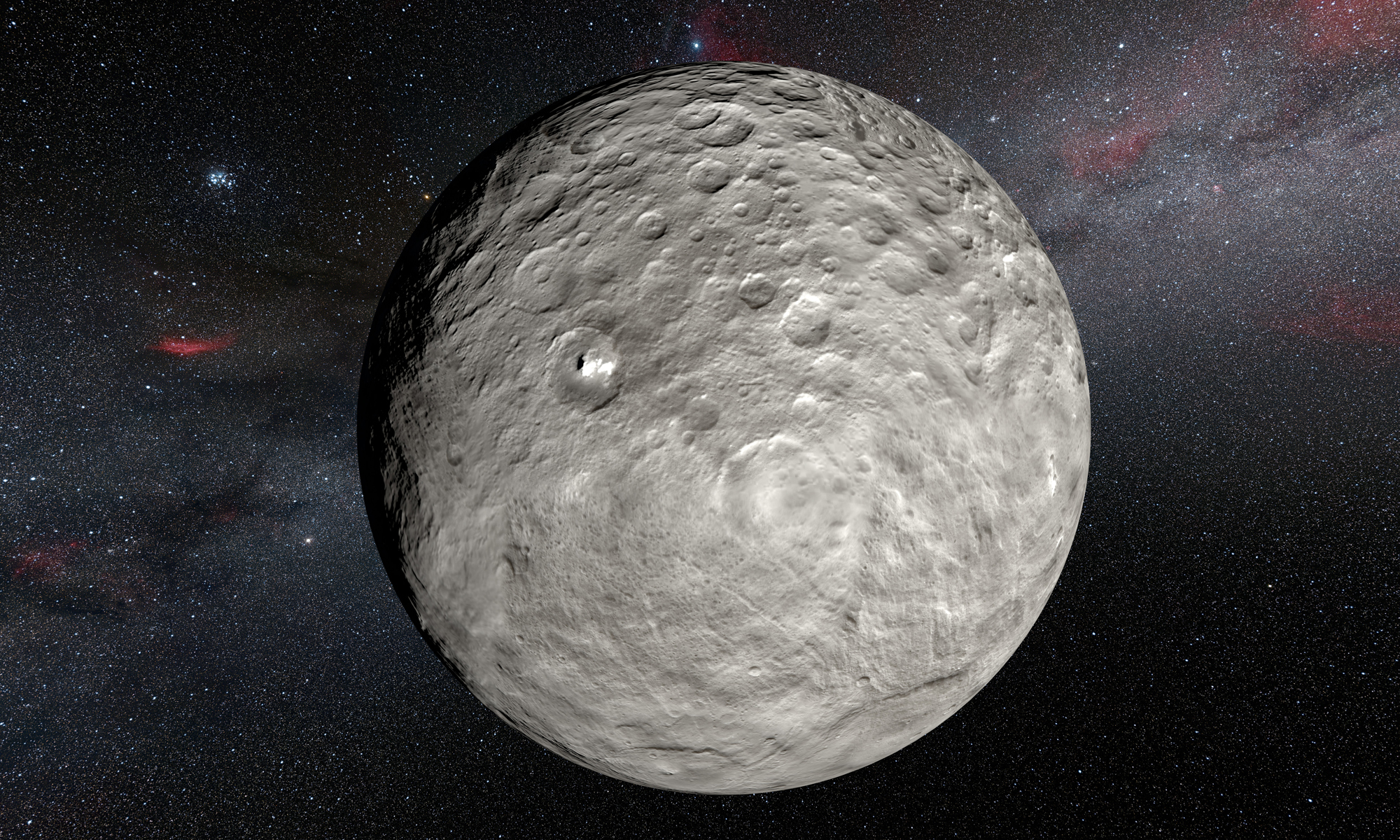
Ceres was the first asteroid discovered, back in 1801 by Giuseppe Piazzi. Its diameter—about 940 km—makes it the largest object in the asteroid belt between Mars and Jupiter. NASA’s Dawn spacecraft orbited Ceres from 2015 to 2018, providing the first detailed map of its surface. The data revealed large ice deposits, bright spots of crystalline water, and a complex geology that suggests it may have once hosted liquid water.

How was Ceres classified as a dwarf planet?
The International Astronomical Union (IAU) set three criteria for planetary status: the body must orbit the Sun, be spherical, and have cleared its orbit. Ceres meets the first two but not the third, as it shares its belt with countless other bodies. Hence, it received the designation “dwarf planet.” This classification underscores the diversity of objects in our solar system and the evolving nature of planetary science.

What have we learned from Dawn’s observations?
- Water‑ice reservoirs: Dawn detected large subsurface ice deposits, indicating that Ceres may have once harbored liquid water beneath a frozen crust.
- Bright cryovolcanic features: The bright spots, particularly in Occator crater, are rich in sodium carbonate, suggesting past cryovolcanic activity.
- Organic compounds: Spectroscopic data point to the presence of organic molecules, hinting at a building block for life.
Why does Ceres matter to future space exploration?
Understanding Ceres provides a window into the early solar system’s water distribution. If Ceres once had subsurface oceans, it could offer clues about how Earth acquired its own water. Moreover, the dwarf planet’s relative accessibility makes it an attractive target for future missions aimed at in‑situ resource extraction or scientific study of icy worlds.
How can beginners stay updated on Ceres research?
Subscribe to newsletters from NASA’s Planetary Science Division or the European Space Agency. Follow their social media channels for real‑time mission updates. For a structured learning path, use the “Ceres USD Calendar Guide for Beginners” to schedule monthly reading sessions—each focusing on a specific topic such as geology, composition, or mission history.
What are the next steps in Ceres exploration?
Proposals for follow‑up missions are under discussion. A potential concept involves sending a small lander equipped with a drill to sample the surface ice and search for organic molecules. These missions would build upon Dawn’s legacy and deepen our understanding of Ceres’s role in the solar system.
In summary, Ceres may be small on the cosmic scale, but its scientific significance is enormous. By following the “Ceres USD Calendar Guide for Beginners,” anyone can systematically explore the dwarf planet’s mysteries, from its icy composition to its potential as a cradle of life. The ongoing research promises to keep Ceres at the forefront of planetary science for years to come.
High Resolution Ceres View | NASA Solar System Exploration
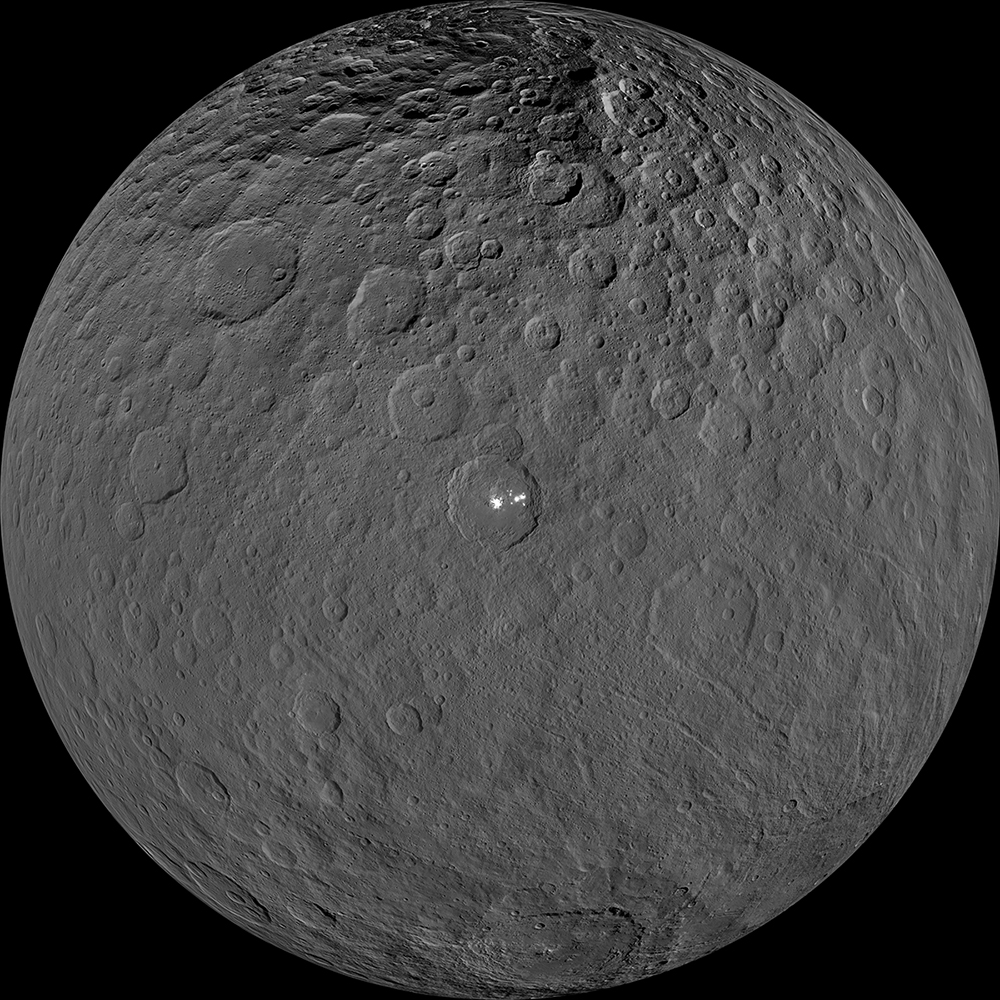
High Resolution Ceres View | NASA Solar System Exploration
Blog Archives - Coolpup
Blog Archives - coolpup
Astroid Planet
Astroid Planet
