Volusia County’s Fairgrounds are stepping out of the seasonal‑showground mindset and redefining what a regional event space can feel like. By borrowing concepts from modern business strategy and employee‑experience design, the venue promises a visitor journey that feels more curated, interactive, and memorable than any fair‑season memory.
Rethinking the Fairground Model
Traditional fairs rely on a simple loop: arrive, browse, eat, and depart. Today’s audiences, however, expect layered experiences—think pop‑up art installations, tech‑enabled wayfinding, and community‑driven programming. The shift resembles the transition seen in forward‑looking businesses that moved from static product lines to dynamic idea pipelines in 2025.

From One‑Time Events to Ongoing Engagement
- Micro‑festivals: Short, themed events (e.g., local craft beers, vintage car showcases) create repeat‑visit incentives.
- Digital ticketing layers: QR‑based scavenger hunts guide guests through lesser‑known venues while collecting data for future planning.
- Community co‑creation: Residents vote on weekend activities, turning the fairground into a shared public amenity rather than a top‑down showcase.
Applying Employee‑Experience Frameworks
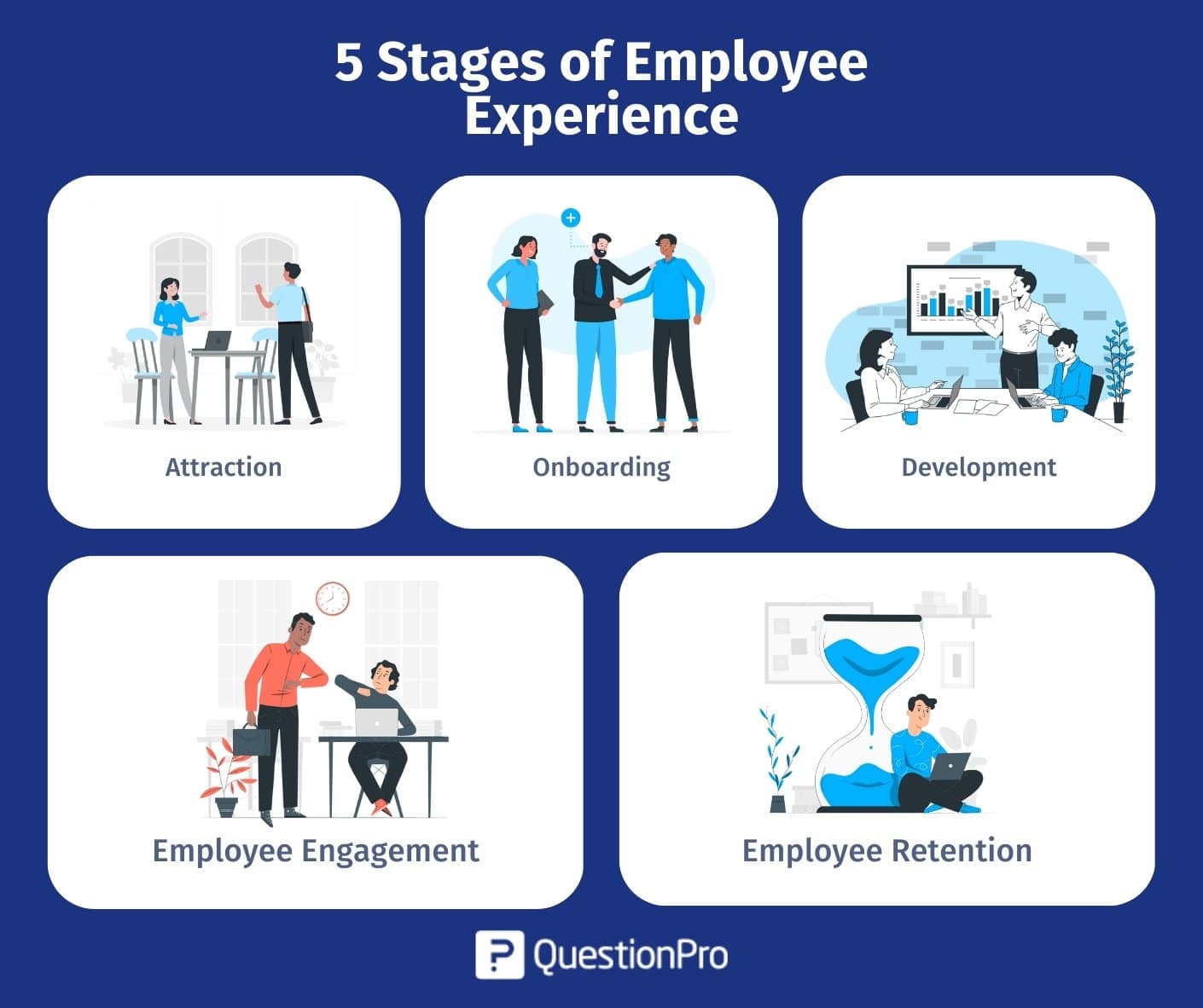
The fairground’s staff experience directly shapes visitor perception. By mirroring the five‑stage employee experience model—onboarding, integration, development, retention, and offboarding—the venue can ensure smoother operations, higher morale, and more authentic guest interactions.
Practical Staff‑Touchpoints
- Onboarding with a walkthrough: New hires receive a short “fairground immersion” video that highlights guest flow and safety protocols.
- Integration through shadowing: Seasonal workers pair with experienced staff during peak days, fostering real‑time knowledge transfer.
- Development via micro‑learning: Quick modules on crowd‑management tech keep staff current without sacrificing shift time.
- Retention incentives: Seasonal staff earn “fairground ambassador” badges redeemable for local discounts, encouraging repeat employment.
- Offboarding feedback loops: Exit surveys capture frontline insights that feed directly into the next season’s planning cycle.
What This Means for Visitors
When a venue aligns its public programming with progressive business tactics and a structured staff experience, the payoff shows up in tangible guest benefits. Visitors can expect shorter wait times through predictive staffing, personalized itineraries powered by mobile apps, and a sense that the fairground belongs to the community—not just the event organizers.
Takeaway Checklist for First‑Time Attendees
- Download the official app before arrival for real‑time event maps.
- Look for “experience zones” where local artists and vendors collaborate on interactive displays.
- Engage with staff wearing the new “ambassador” badges—they’re trained to answer deeper questions about the fair’s history and future plans.
Future Outlook
By treating the fairground as a living brand rather than a static venue, Volusia County can position itself as a case study for midsize municipalities aiming to boost tourism and civic pride simultaneously. The blend of business‑innovation ideas and employee‑experience rigor offers a replicable template for any community seeking to “experience the fairgrounds like never before.”
10 Principles Of Transformative Experience Design (Part 1) | Retail
10 principles of transformative experience design (Part 1) | Retail ...
Customer Experience Design | Lyssna

Customer experience design | Lyssna
Designing The Human Experience — Onyx Creative

Designing the Human Experience — Onyx Creative
