When a body‑building enthusiast sketches the perfect silhouette on paper, the next step is turning that vision into measurable progress. “From Concept to Reality: Crafting the Ideal Body Outline” is more than a design exercise—it’s a roadmap that blends anatomy, training science, and nutrition into a cohesive plan that can be followed by experienced hobbyists ready to fine‑tune their physiques.
Context: Why a Blueprint Matters
Many seasoned lifters hit a plateau simply because their routines are built on intuition rather than a concrete design. An ideal body outline serves as the scaffolding that guides exercise selection, rep ranges, and caloric balance. By starting with a visual representation—be it a digital mock‑up or a hand‑drawn sketch—you lock in specific proportions: shoulder width, waist taper, leg-to-trunk ratio, and muscle symmetry. This framework reduces guesswork and aligns training sessions with long‑term aesthetic goals.
Details: Translating Vision into Metrics
- Segmenting the Frame – Divide the body into key segments (head, torso, arms, legs) and assign target measurements. For instance, a 90‑inch chest paired with a 32‑inch waist creates a classic V‑shape that many athletes aim for.
- Exercise Mapping – Assign compound movements to major muscle groups and isolation exercises to fine‑tune. A chest‑focused program might include 4–5 sets of bench press at 70‑80% 1RM, followed by 2–3 sets of incline flyes at 60% for peak contraction.
- Progressive Overload Scheduling – Use the outline to set incremental goals: add 5 pounds to the bar every two weeks for a week, then plateau for a deload week. This pattern keeps the muscles in constant adaptation mode.
- Nutrition Alignment – Convert the visual goals into a macro map. If the outline calls for a 2.5:1 ratio of lean to fat tissue, a daily caloric surplus of 250–300 kcal can support muscle gains while curbing fat growth.
Examples: Real‑World Applications
Consider a hobbyist who has been training for three years but feels her shoulders are not catching up to her chest. By overlaying an ideal body outline that emphasizes a 1.05 ratio of deltoid to pectoral width, she can shift her program to include lateral raises, reverse flyes, and a stricter form on overhead presses. Over a 12‑week cycle, the measurable change is a 2‑inch increase in shoulder breadth, visibly widening the V‑shape.
Another athlete focused on a lower‑body aesthetic uses the outline to track hip-to-thigh ratios. By integrating front squats, Romanian deadlifts, and leg presses, while monitoring body fat percentage with a 0.5% weekly decrement, the body outline remains the constant reference point, preventing over‑training or under‑loading of the glutes and quads.
Implications: Beyond the Gym
Crafting a body outline does more than refine muscle groups; it influences recovery, injury prevention, and long‑term consistency. When the target shape is explicit, pre‑ and post‑workout mobility work can be tailored to support joint integrity in the most stressed areas. Additionally, a clear aesthetic goal keeps motivation high, as each rep and meal plan can be seen as a step toward a defined visual end state.
Recommendation: Turn the Sketch into a Living Document
- Digitize the Outline – Use free tools like Canva or a simple drawing app to create a visual map that can be updated every four weeks.
- Integrate Tracking Apps – Pair the outline with a spreadsheet or fitness app that logs reps, weights, body measurements, and body fat. The data will validate whether the visual changes align with the planned progression.
- Schedule Quarterly Reviews – Every 12 weeks, revisit the outline, adjust target ratios if needed, and tweak training variables accordingly. This keeps the plan responsive to real‑world changes in muscle size and body composition.
- Share with a Coach or Peer Group – External feedback can catch blind spots, such as a neglected muscle group or an imbalance that the outline alone might not highlight.
By moving from a vague desire to a concrete body outline, experienced hobbyists gain a clear path to sculpting, tracking, and ultimately achieving the physique they envisioned. The blend of visual design, measurable metrics, and disciplined execution turns ambition into a sustainable reality.
FIFA World Cup 2026 Schedule & Fixtures - NextMatchNow

FIFA World Cup 2026 Schedule & Fixtures - NextMatchNow
World Cup 2026 Fixtures | Full Schedule, Venues & UK Times
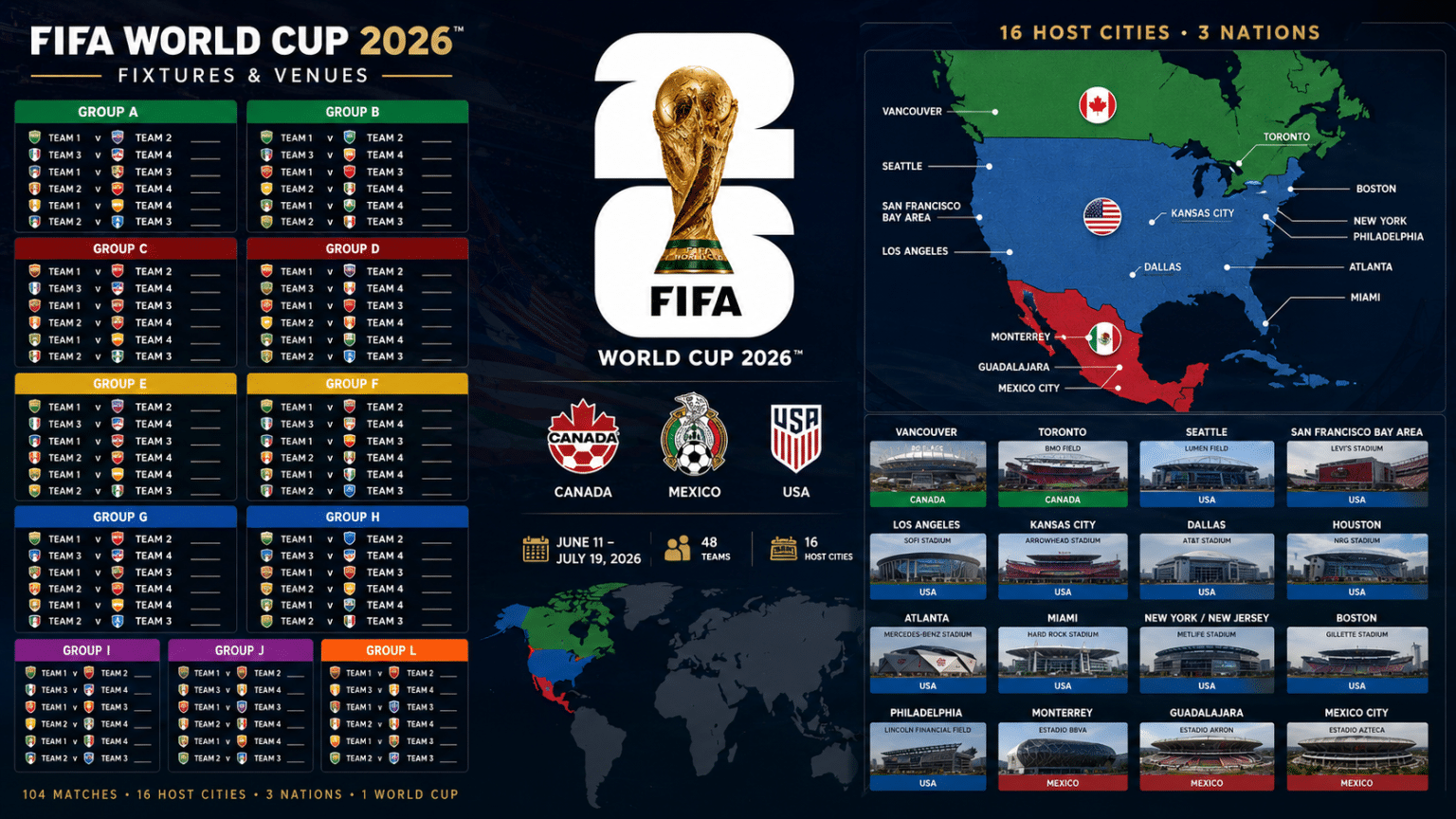
World Cup 2026 Fixtures | Full Schedule, Venues & UK Times
FIFA World Cup 2026 Schedule: Full Fixtures, Dates & Match List

FIFA World Cup 2026 Schedule: Full Fixtures, Dates & Match List
Bafana Bafana Land Plum 2026 Fifa World Cup Fixture Against Hosts
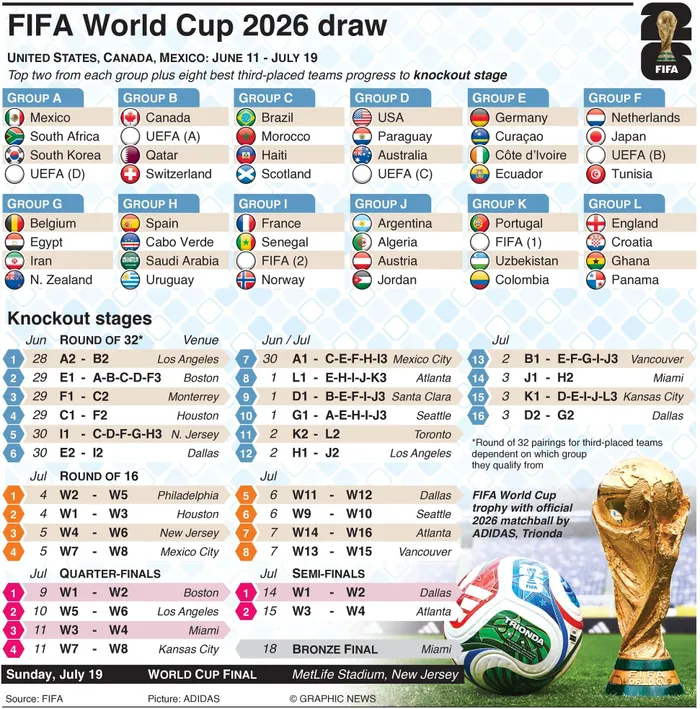
Bafana Bafana land plum 2026 Fifa World Cup fixture against hosts ...
World Cup 2026 Schedule Wall Chart Printable And Fully Editable

World Cup 2026 Schedule Wall Chart Printable and Fully Editable ...
