Say Goodbye to Language Confusion and master the complexities of English verb tenses. Verb tenses are a fundamental aspect of English grammar that help express time and sequence in a sentence. However, for non-native speakers and even some native English speakers, navigating the vast array of verb tenses can be daunting. In this article, we will explore the basics of English verb tenses and provide examples to help you improve your grammar skills.
Verbs and Verb Tenses
A verb is an action word that conveys what is happening, happened, or will happen in a sentence. The main verb tenses in English are the present, past, and future. However, to express nuances such as ongoing actions, completed actions, and future plans, verb tenses become more complex.
- Present Tense describes actions happening in the present moment.
- Past Tense describes completed actions that occurred in the past.
- Future Tense describes actions that will occur in the future.
Progressive Verb Tenses
Progressive verb tenses, also known as continuous tenses, are used to describe ongoing actions or states. They usually express the idea that an action began in the past and continues up to the present or even into the future.

- Present Continuous describes an action that is in progress at the moment of speaking. e.g., "I am working on my project."
- Past Continuous describes an action that was in progress at a specific time in the past. e.g., "I was watching TV last night."
- Future Continuous describes an action that will be in progress at a specific time in the future. e.g., "I will be studying for my exam next week."
Perfect Verb Tenses
Perfect verb tenses express an action that started in the past and has continued up to the present or even into the future. They often combine a past participle of the main verb with a helper verb, such as "has" or "had."

- Present Perfect describes an action that started in the past and continues up to the present moment. e.g., "I have been working for 5 years."
- Past Perfect describes an action that occurred before another action in the past. e.g., "I had eaten breakfast before I went to the office."
- Future Perfect describes an action that will be completed at a specific time in the future. e.g., "I will have finished my project by next week."
Conclusion
Mastery of English verb tenses is a crucial aspect of effective communication. By understanding the complexities of verb tenses and practicing their usage, you can express yourself more clearly and confidently. Whether you are a beginner or an advanced learner, continue to practice and refine your skills. With dedication and persistence, you will become a master of language and effortlessly navigate the nuances of English grammar.
Say Please And Thank You Clipart
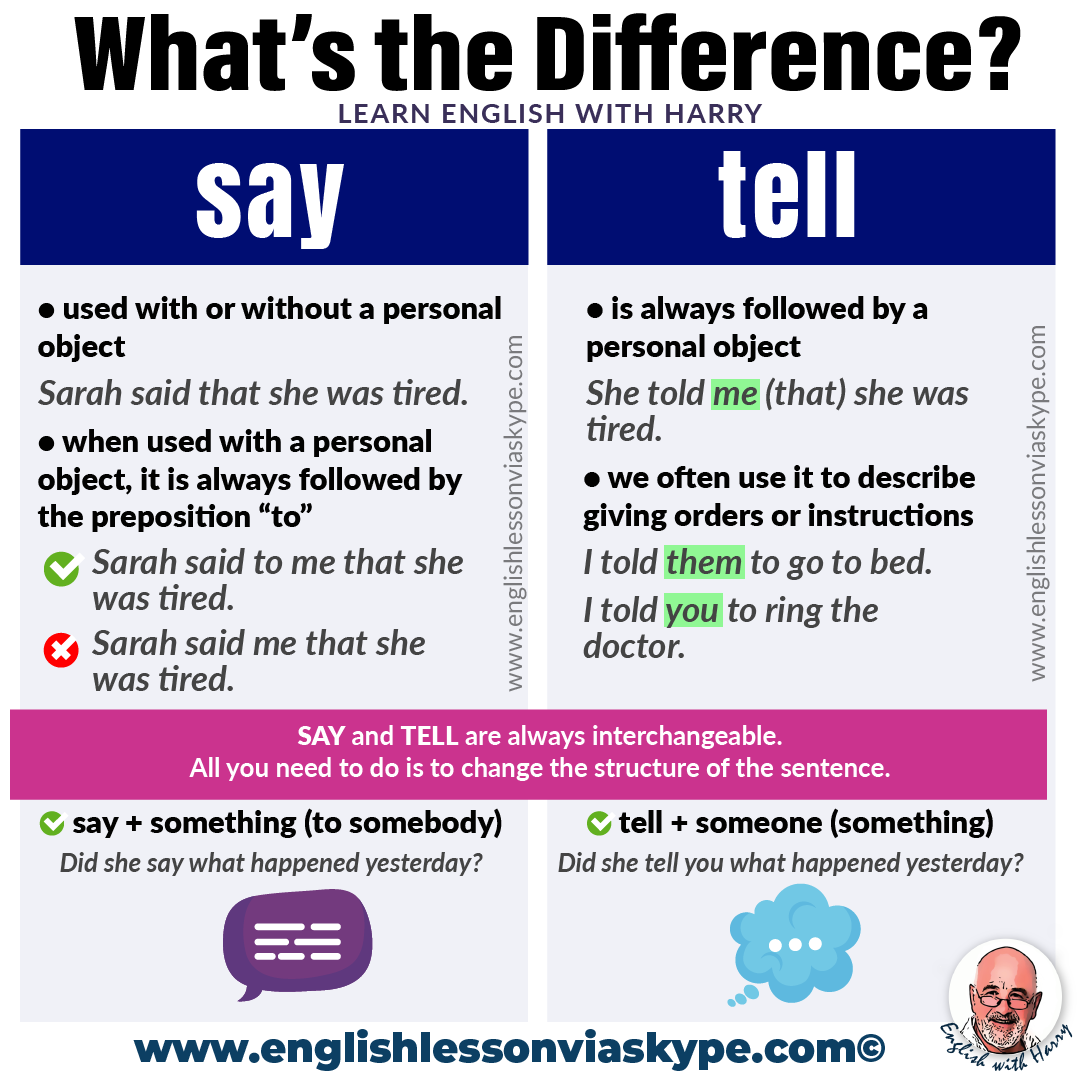
Say Please And Thank You Clipart
English Grammar Here - Page 589 Of 995 - Grammar Documents And Notes
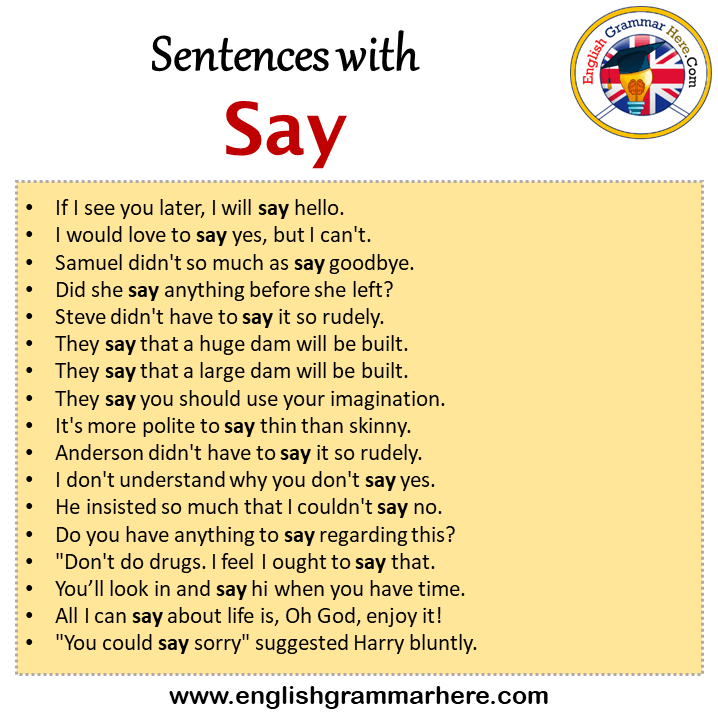
English Grammar Here - Page 589 of 995 - Grammar Documents and Notes
Do They Say Y All In Arizona At Rita Pablo Blog

Do They Say Y All In Arizona at Rita Pablo blog
