In a series of protests that drew dozens of older citizens to state capitols across Connecticut, retirees are raising alarms about the rising costs and shrinking benefits of Medicare Advantage plans. While the headline “The Advantage Credit Advantage – How to Save Big” hints at financial strategies, the current debate centers on whether the convenience of Medicare Advantage truly delivers savings—or whether traditional Medicare or alternative private plans might better protect seniors’ budgets.
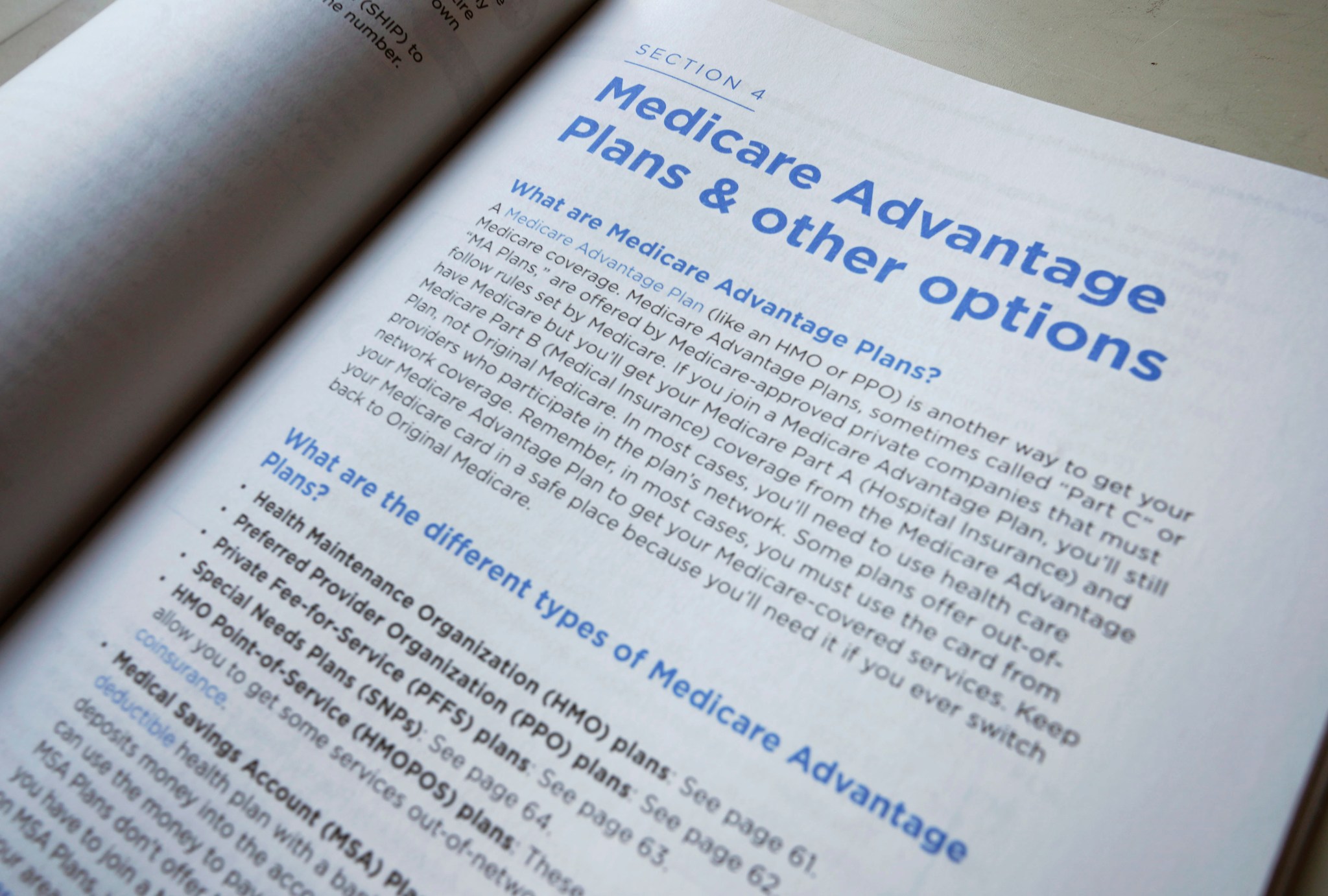
Why the Outcry Is Growing
What drives retirees to pick up signs and march? The answer is a combination of rising premiums, limited drug coverage, and a perception that plans are shifting more costs onto beneficiaries. In a recent press release, a coalition of senior advocacy groups cited a 12% increase in premiums over the past three years, coupled with a 9% rise in out‑of‑pocket costs for prescription drugs. For many, these changes erode the very savings that Medicare Advantage was supposed to deliver.
Do Medicare Advantage Plans Still Offer Savings?
How do Medicare Advantage plans stack up against traditional Medicare and other private options? The answer hinges on individual circumstances. In general, Medicare Advantage plans often cap out‑of‑pocket expenses, which can provide protection against catastrophic costs. However, caps frequently come with strict provider networks and limited formulary coverage. For retirees who travel frequently or rely on specialty drugs, these restrictions can erode net savings.
Consider a typical retiree who spends $8,000 annually on prescription drugs. If a Medicare Advantage plan offers a $1,500 out‑of‑pocket maximum but excludes a high‑cost medication, the retiree may still face a $6,500 drug bill, surpassing the cap and nullifying the intended savings.
What Are the Alternatives?
When the balance of cost versus benefit tilts against Medicare Advantage, two main alternatives emerge: Original Medicare plus a Medigap policy, or a private supplemental plan that offers more flexibility with provider choice. Here’s a quick comparison:
- Original Medicare + Medigap – Provides nationwide coverage and freedom to choose any in‑network provider, but premiums vary widely.
- Private Supplemental Plan – Often offers a broader drug formulary and fewer network restrictions, but may involve higher out‑of‑pocket expenses if the retiree does not use many services.
- Medicare Advantage – Lower premiums and a capped out‑of‑pocket maximum, yet potentially limited drug coverage and provider networks.
Retirees should compare the total cost of each option by adding premiums, deductible, and projected out‑of‑pocket expenses based on their expected healthcare usage.
How to Make the Transition Smoothly
What steps should a retiree take to shift away from Medicare Advantage? First, gather a comprehensive list of current medications, provider preferences, and anticipated medical visits for the next year. Then, use a side‑by‑side calculator—available on the Centers for Medicare & Medicaid Services website—to project annual costs under each plan type.
Next, consult a licensed insurance broker or a state‑approved health plan adviser. These professionals can help interpret the data, identify plans that fit your needs, and negotiate premiums. Finally, plan the transition at least six months before the enrollment window closes in October, to avoid gaps in coverage.
Implications for Policy and Practice
How will the ongoing criticism shape future Medicare Advantage offerings? Policy makers are already reviewing the structure of out‑of‑pocket caps and drug coverage mandates. The National Association of Insurance Commissioners has called for clearer disclosure of drug formulary restrictions during the annual enrollment period. Meanwhile, several states are exploring state‑run supplemental programs aimed at providing more flexible coverage for seniors who find Medicare Advantage too restrictive.
For retirees, staying informed and proactive is the best defense against hidden costs. By evaluating the true balance of savings versus limitations, seniors can avoid the pitfalls that have prompted today’s protests and ensure that the “advantage” in their plan name truly translates to financial protection.
Competitive Advantage - Free Of Charge Creative Commons Typewriter Image

Competitive Advantage - Free of Charge Creative Commons Typewriter image
Reading: Absolute Advantage | Macroeconomics
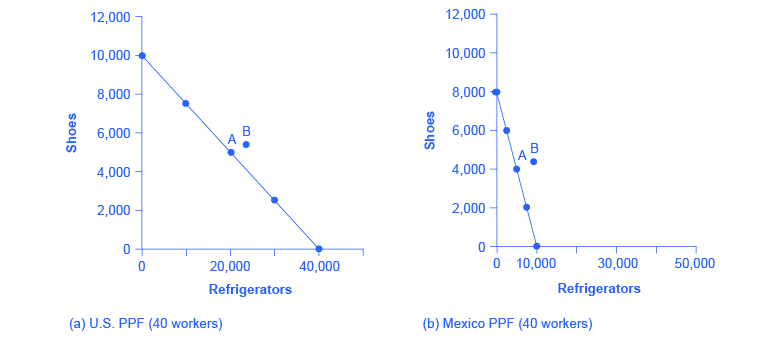
Reading: Absolute Advantage | Macroeconomics
Comparative Advantage - Wikipedia

Comparative advantage - Wikipedia
Competitive Advantage - Free Of Charge Creative Commons Green Highway

Competitive Advantage - Free of Charge Creative Commons Green Highway ...
