For landlords and tenants alike, a well‑crafted lease is the cornerstone of a smooth renting experience. Understanding Rental Agreements What Your Form Should Include means recognizing the legal checkpoints that protect both parties, avoiding common oversights, and streamlining the move‑in process before signatures are even inked.
Why a Complete Rental Agreement Matters
Without a clear, comprehensive document, disputes over rent, maintenance responsibilities, or early termination can quickly escalate into costly legal battles. A thorough agreement reduces ambiguity, sets expectations, and provides a reference point when unforeseen issues arise.

Core Elements Every Lease Form Needs
While state‑specific statutes add nuance, most jurisdictions share a baseline of essential clauses. Missing any of these can render a contract vulnerable to challenge.
1. Parties and Property Description
- Landlord and tenant identification – full legal names and contact details.
- Clear description of the rental unit, including address, unit number, and any included amenities.
2. Lease Term and Rent Details
- Start and end dates, with provisions for renewal.
- Exact rent amount, due date each month, and accepted payment methods.
- Late‑fee structure, if applicable, complying with local caps.
3. Security Deposit and Fees
- Deposit amount, conditions for return, and permissible deductions.
- Any non‑refundable fees (e.g., pet or cleaning fees) clearly itemized.
4. Maintenance and Repairs
- Landlord’s responsibility for structural repairs versus tenant’s duty for routine upkeep.
- Procedure for reporting issues and expected response times.
5. Rules of Occupancy
- Maximum occupant count, subletting restrictions, and guest policies.
- Pet policy, including breed or size limitations and associated fees.
Optional Additions That Can Protect You
Beyond the mandatory sections, strategic clauses can further safeguard interests without overcomplicating the document.
Renewal and Rent‑Increase Notice
Specifying a 30‑day notice window for rent hikes or lease extensions gives both parties predictable timelines.
Early Termination Options
Including a buy‑out clause or defined penalties can deter abrupt departures while offering a clear exit path.
Insurance Requirements
Mandating renters insurance protects the tenant’s personal property and limits the landlord’s liability for damages.
Next Steps for Landlords and Tenants
Once the form is drafted, the following actions cement its effectiveness:
- Review local regulations to ensure every clause complies with state or municipal law.
- Seek legal counsel for complex situations, such as mixed‑use properties or multi‑family units.
- Conduct a walk‑through inspection and attach a condition checklist as an addendum.
- Secure signatures electronically or on paper, and retain copies for both parties.
By methodically ticking each item on this checklist, landlords can minimize risk, and tenants gain confidence that their rights are documented. In an ever‑shifting housing market, mastering the details of a rental agreement is less about paperwork and more about fostering a durable, mutually respectful tenancy.
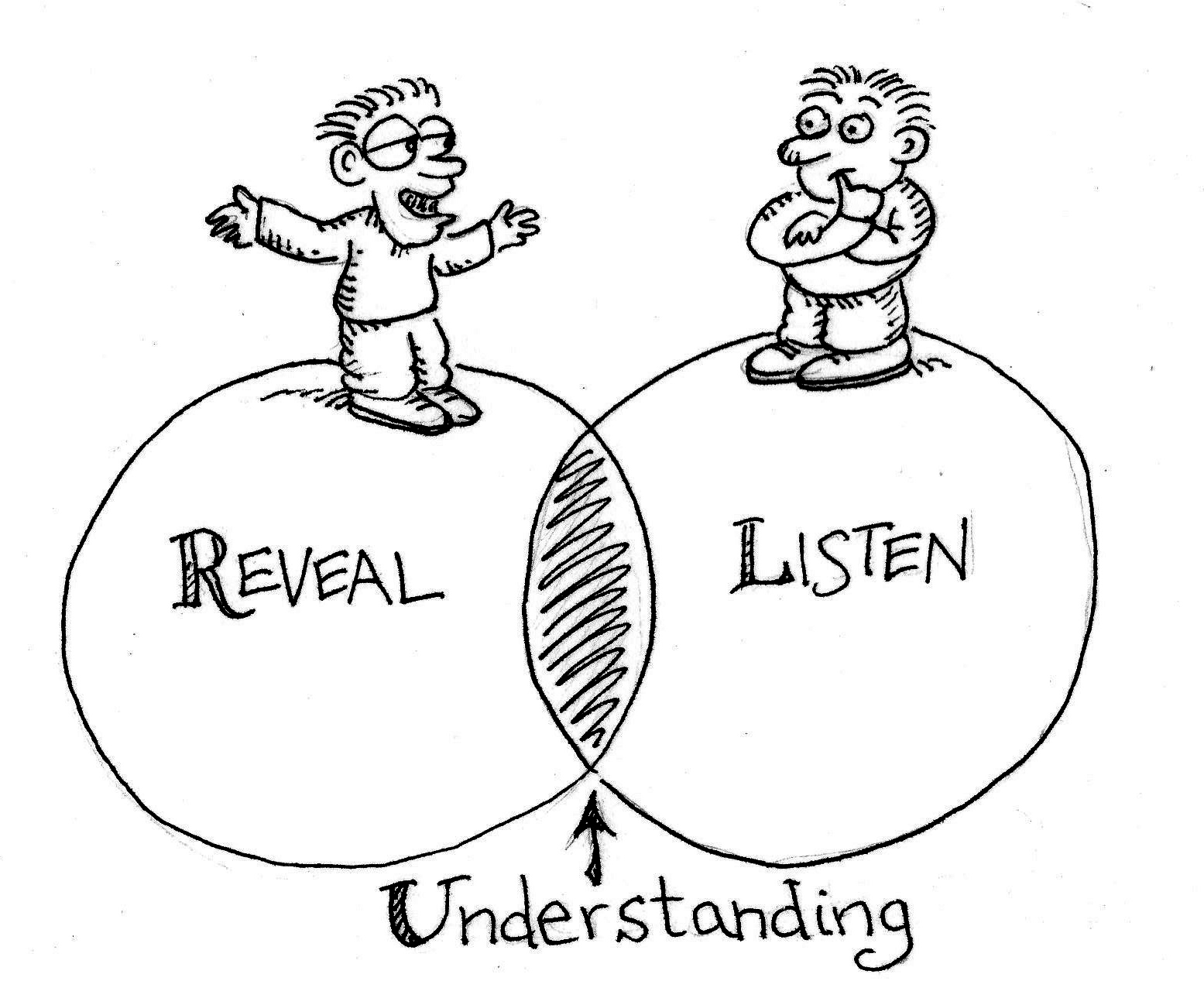
Understanding - Free Of Charge Creative Commons Handwriting Image

Understanding - Free of Charge Creative Commons Handwriting image
Understanding - Free Of Charge Creative Commons Post It Note Image

Understanding - Free of Charge Creative Commons Post it Note image
Understanding - Free Of Charge Creative Commons Tablet Dictionary Image

Understanding - Free of Charge Creative Commons Tablet Dictionary image
