Over the past several decades, the United States has witnessed a steady realignment of religious affiliation, with evangelical Protestant percentages falling, the unaffiliated (formerly “nones”) climbing, and Asian‑origin faiths gaining footholds. These trends matter not only for worshippers but also for voters, lawmakers, and cultural commentators who watch the nation’s spiritual landscape as a barometer of broader social change.
What factors are fueling the shift?
Three primary forces explain why the US religious demographic picture has transformed:
- Generational turnover. Millennials and Gen Z are markedly less likely to identify with any organized religion than Baby Boomers, a pattern confirmed by repeated Pew Research surveys.
- Immigration patterns. Newcomers from South Asia, the Middle East, and Africa have introduced Hinduism, Islam, and Sikhism into communities that once were dominated by Christianity.
- Cultural liberalization. Acceptance of LGBTQ+ rights, gender equality, and scientific perspectives has prompted some congregations to modernize while prompting others to lose members.
How have the numbers actually changed?
Recent nationwide polls illustrate the magnitude of the change:
- Christian affiliation. In the early 1990s, roughly 80 % of Americans identified as Christian; today that figure hovers around 65 %.
- Unaffiliated growth. Those who describe themselves as “religiously unaffiliated” rose from 8 % in 1990 to more than 23 % in the latest surveys.
- Non‑Christian faiths. Hindu, Muslim, and Buddhist adherents each now exceed 1 % of the population, whereas they were barely measurable a generation ago.
These shifts are not uniform across states. The South remains the most religiously conservative region, while the Pacific Northwest and New England show the highest percentages of unaffiliated adults.
Why does this matter for policymakers?
Legislators use religious data to gauge constituent priorities. A rise in the unaffiliated often correlates with increased support for policies on reproductive rights, climate action, and criminal‑justice reform. Conversely, areas with strong evangelical populations tend to favor tax‑free charitable provisions and school‑choice initiatives.
Understanding where voters stand on faith can help craft bipartisan bills that respect diverse belief systems while addressing shared concerns like poverty alleviation and education funding.
What’s next for the American religious landscape?
Experts anticipate a continued rise in the unaffiliated, propelled by ongoing cultural shifts and a steady influx of immigrants who maintain distinct faith traditions. Meanwhile, established denominations are adapting—some by embracing digital worship platforms, others by revisiting doctrinal stances to retain younger members.
For anyone tracking sociopolitical trends, keeping an eye on these evolving numbers offers a clearer picture of the forces shaping America’s future.
US Flag And Eagle Free Stock Photo - Public Domain Pictures

US Flag And Eagle Free Stock Photo - Public Domain Pictures
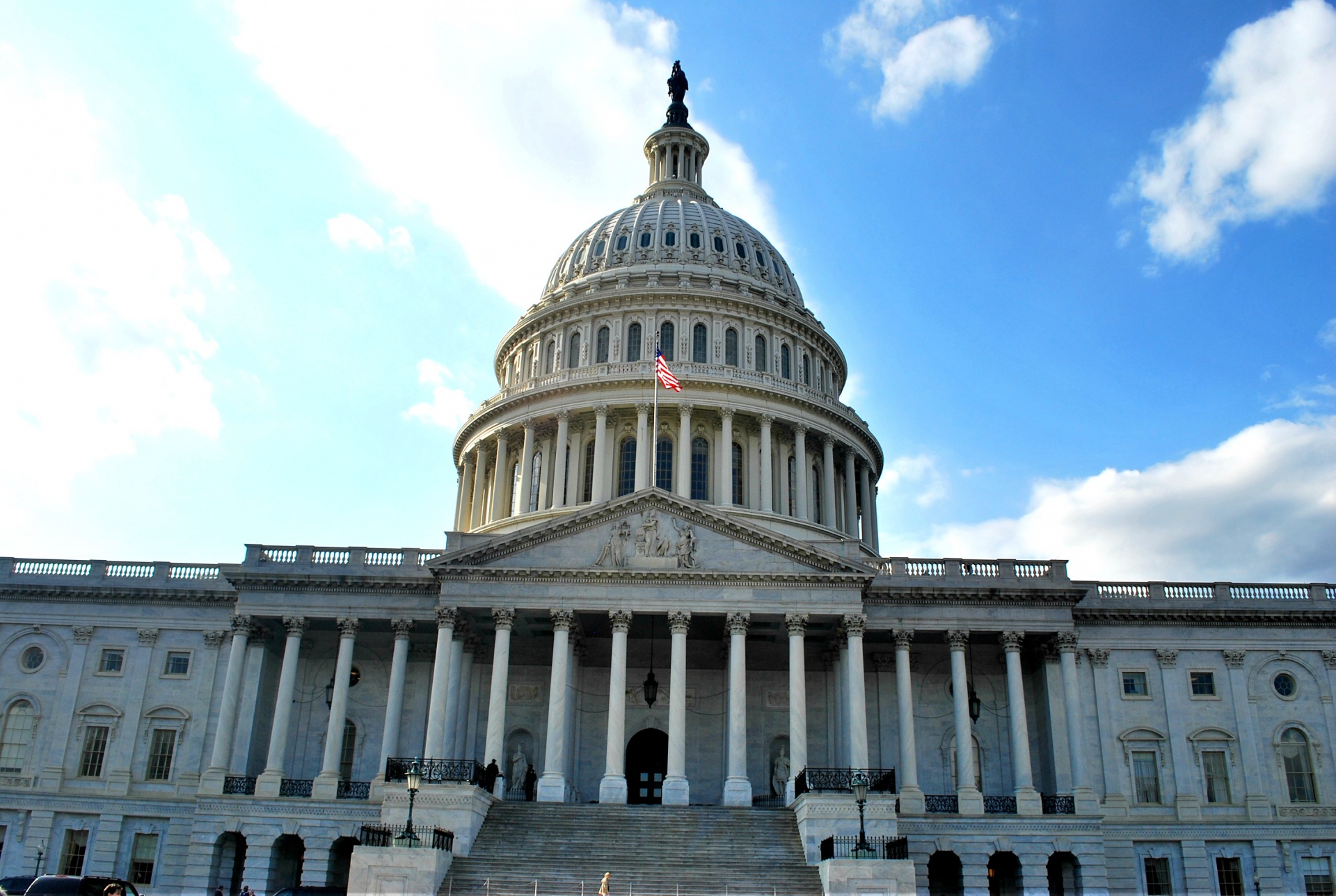
US Capitol Building Free Stock Photo - Public Domain Pictures

US Capitol Building Free Stock Photo - Public Domain Pictures
US Capitol Building Free Stock Photo - Public Domain Pictures
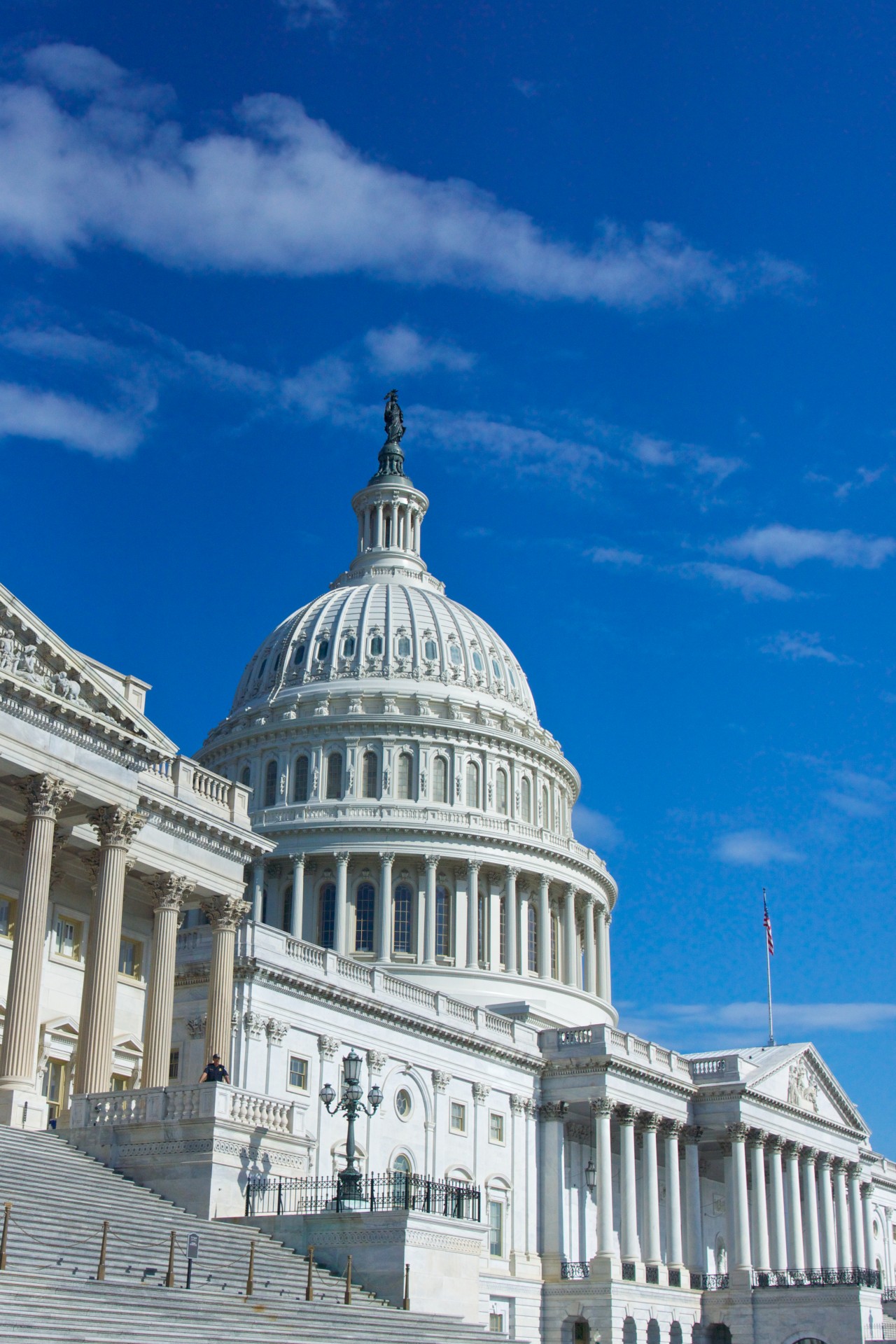
US Capitol Building Free Stock Photo - Public Domain Pictures
US Flag And Navy Ship Free Stock Photo - Public Domain Pictures

US Flag And Navy Ship Free Stock Photo - Public Domain Pictures
