Colorado’s limited but growing network of toll roads is set to undergo a comprehensive upgrade this summer. The overhaul promises faster lane processing, more reliable billing, and a unified transponder experience across the state. While exact rollout dates are still being finalized, the transition is already sparking conversation among commuters, commercial fleets, and tourism operators who rely on the 550 and 470 corridors for daily travel.
Why the Overhaul Matters
The current tolling infrastructure, which has been in place since the late 2000s, relies on legacy hardware that frequently glitches during peak traffic. Drivers often encounter delayed toll collection, missed receipts, and costly penalty disputes. The new system will replace aging gantry sensors and software with high‑definition cameras and real‑time data analytics, reducing errors by an estimated 40%. For Colorado’s growing tourism sector, this means smoother access to popular mountain destinations and a better overall travel experience.

What’s Changing
The upgrade introduces a single, state‑wide transponder that works across all toll facilities, eliminating the need for multiple vendor IDs. The new system will also support contactless payment options, allowing drivers to link their credit or debit cards directly to their transponder account. Unlike the old setup, which required manual fee calculation for out‑of‑state vehicles, the updated software will automatically adjust rates based on the vehicle’s length, class, and departure point, ensuring fairness and transparency.

Steps for Drivers
- Register online. Visit the Colorado Department of Transportation’s toll portal to create an account and link your payment method before the new system launches.
- Order a transponder. If you currently use a legacy tag, you can exchange it for the new model at any toll plaza kiosk or online. Replacement tags are free for residents.
- Update vehicle records. Verify your vehicle’s details in your online profile to avoid discrepancies in rate calculations.
- Plan alternate routes. While the transition is underway, some toll plazas may temporarily restrict access to non‑registered vehicles. Check the DOT website for real‑time lane status.
Impact on the State Economy
The toll system modernization is part of a broader $2.5 billion investment aimed at improving Colorado’s transportation infrastructure. By streamlining toll collection, the state anticipates a 5% increase in revenue over the next three years, which will be funneled back into road maintenance and safety programs. For commercial trucking companies, the new system’s real‑time lane data will allow for more efficient routing, potentially saving miles and fuel costs.
Getting Ready for the Switch
Colorado residents and businesses should start preparing now to avoid disruption. The Department of Transportation will host a series of webinars and community workshops through the summer to walk users through the registration process and answer technical questions. Additionally, local news outlets have partnered with the DOT to circulate quick‑start guides in print and online, ensuring that even those less comfortable with technology can transition smoothly.
While the exact timeline remains under discussion, the overarching goal is clear: create a tolling experience that matches Colorado’s reputation for innovation and outdoor adventure. As the state’s most scenic highways become easier to navigate, drivers can expect less hassle, more predictable costs, and a system that reflects the dynamic nature of the American West.
Large Detailed Roads And Highways Map Of Colorado State With All Cities
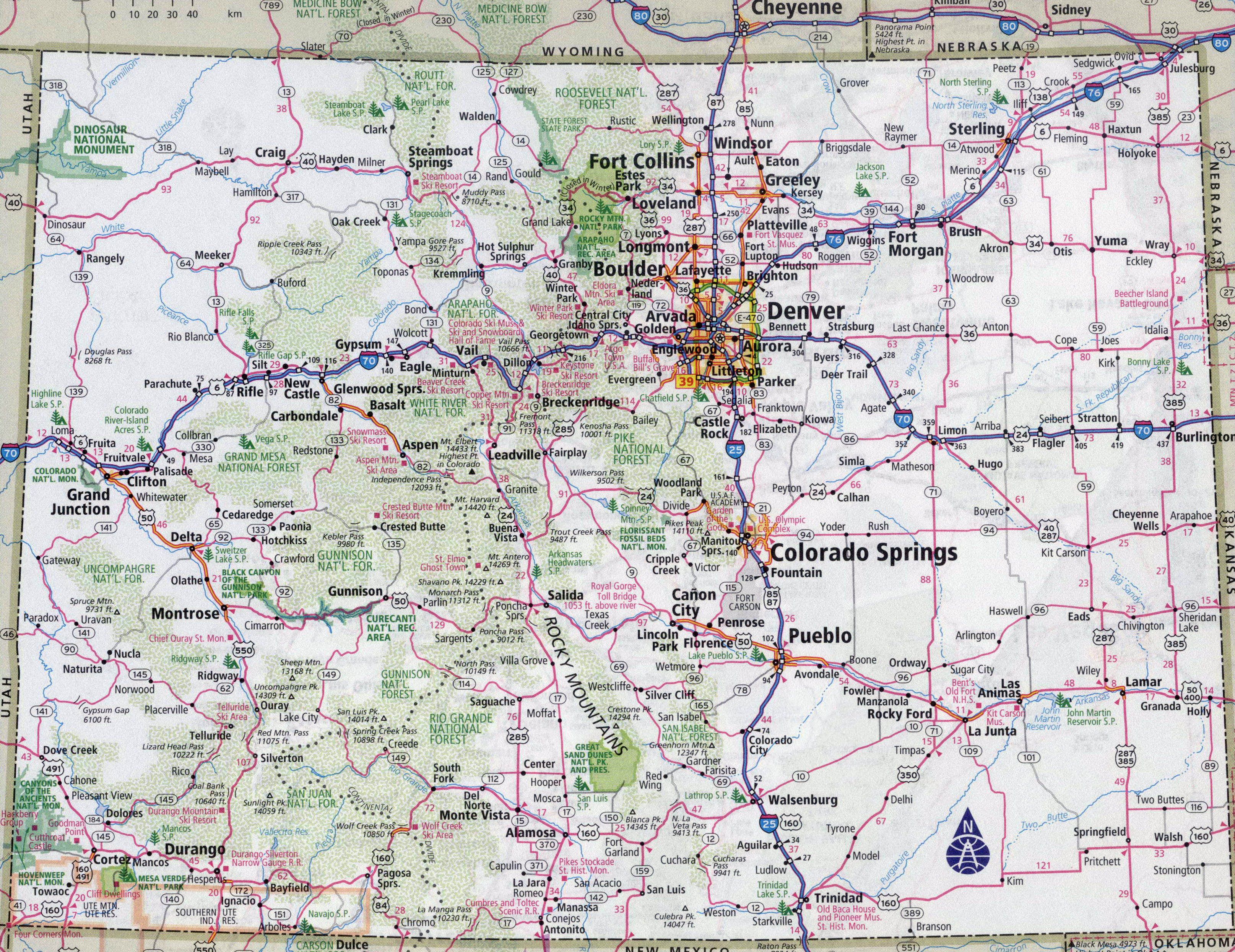
Large detailed roads and highways map of Colorado state with all cities ...
Colorado River Region | The 10 Best US Travel Gems Of 2015 | POPSUGAR

Colorado River Region | The 10 Best US Travel Gems of 2015 | POPSUGAR ...
Colorado Desktop Wallpapers - Top Free Colorado Desktop Backgrounds

Colorado Desktop Wallpapers - Top Free Colorado Desktop Backgrounds ...
