Small businesses seeking a competitive edge are turning to custom elf template solutions—a blend of whimsical design and data‑driven branding that promises a rapid, recognizable visual identity without the cost of a full‑scale agency.
What exactly is an “elf template” and why does it matter?
An elf template is a modular design framework that combines pre‑crafted graphic elements, typography sets, and color palettes tailored for fast deployment. By leveraging these kits, a business can instantly align marketing collateral, social media graphics, and storefront signage under a unified look. The result is a brand that feels both professional and memorable, essential when budgets limit extensive custom work.
How does the customization process work?
First, a business selects a base template that matches its industry tone—whether a tech‑savvy startup or a boutique retailer. Next, the template is personalized: company logos replace placeholder icons, brand colors swap into the palette, and copy is edited to reflect the company’s voice. The final step involves exporting the assets in multiple formats, ready for print or digital use.

Why choose an elf template over a traditional redesign?
Traditional redesigns can take weeks and cost thousands, stretching a small business’s cash flow. Elf templates reduce turnaround time to days and keep expenses predictable, thanks to a licensed library of design components. They also provide consistency: every new flyer, email banner, or product label automatically inherits the same visual language, preventing the brand drift that often occurs when multiple freelancers are involved.
Can custom elf templates improve customer perception?
Yes. Consistent branding builds trust; customers are more likely to purchase from a company that appears polished. Studies of micro‑businesses that adopted cohesive visual identities report higher engagement on social platforms and a modest uplift in repeat purchases. The “elf” motif—playful yet professional—adds an approachable personality that resonates with millennials and Gen Z shoppers.

What steps should a small business take to implement an elf template?
- Audit existing assets. Gather current logos, color codes, and typography used across channels.
- Select a template. Choose a design kit aligned with the business’s market positioning.
- Customize core elements. Replace placeholders with the company’s logo, adjust colors, and edit headline copy.
- Test across mediums. Preview the updated design on a website, email newsletter, and printed flyer to ensure visual fidelity.
- Roll out systematically. Replace old assets in stages, beginning with high‑visibility touchpoints like storefront signage and social media profiles.
What are the longer‑term implications for brand growth?
Adopting a custom elf template establishes a scalable foundation. As the business expands, new product lines or campaign themes can be slotted into the existing framework without redesigning from scratch. This agility allows marketing teams to respond quickly to trends, keep the brand fresh, and allocate resources toward revenue‑generating activities rather than design logistics.
For entrepreneurs ready to modernize their visual identity without overextending finances, custom elf template solutions present a practical, fast‑acting pathway to brand transformation.
THE SAFECRACKER, Ray Milland, 1958 Stock Photo - Alamy
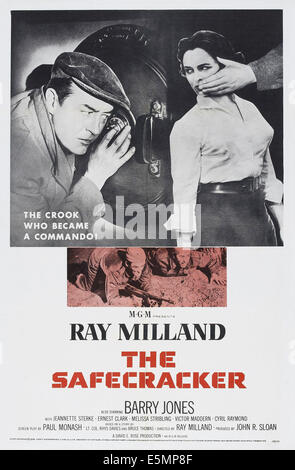
THE SAFECRACKER, Ray Milland, 1958 Stock Photo - Alamy
Panic In Year Zero! [Panic In The Year Zero] ***½ (1962, Ray Milland
![Panic in Year Zero! [Panic in the Year Zero] ***½ (1962, Ray Milland](http://derekwinnert.com/wp-content/uploads/2016/05/220px-Panic_in_year_zero_1962_poster.jpg)
Panic in Year Zero! [Panic in the Year Zero] ***½ (1962, Ray Milland ...
X: THE MAN WITH THE X-RAY EYES, Ray Milland, 1963 Stock Photo - Alamy
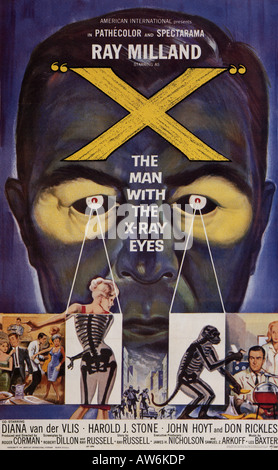
X: THE MAN WITH THE X-RAY EYES, Ray Milland, 1963 Stock Photo - Alamy
